
10 Meal Replacement Shakes That Keep You Full for Hours (2026 Guide)
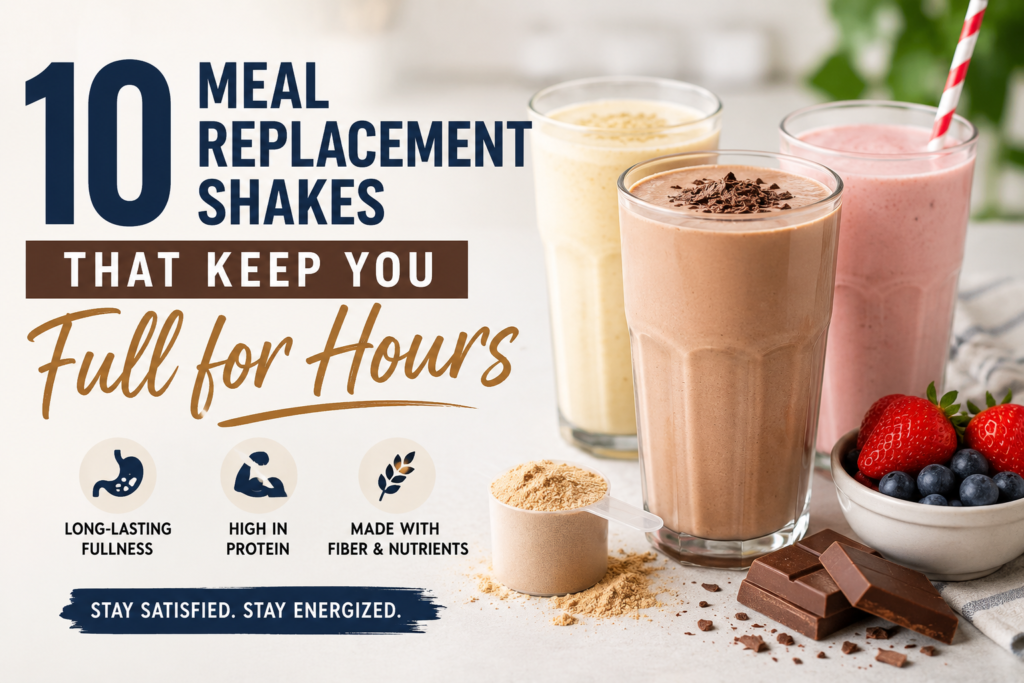
If you have ever choked down a meal replacement shake at 9 a.m. only to be raiding the office snack drawer by 10:30, you already know the real problem with most of these products. It is not flavor and it is not convenience. It is staying power.
In 2026, that gap has become impossible for brands to ignore. With more people than ever paying close attention to protein intake, fiber, and steady energy throughout the day, including a growing number of people managing appetite changes from GLP-1 medications, the meal replacement shake category has quietly leveled up. The chalky, sugar-heavy shakes of a decade ago have mostly given way to formulas built around real satiety science: more complete protein, more fiber, smarter fats, and fewer empty calories.
This guide walks through what actually makes a shake filling, what to look for on a 2026 nutrition label, and ten meal replacement shakes that are commonly recommended by dietitians and supplement testers for keeping hunger at bay for hours, not just minutes.
Quick note before we dive in: meal replacement shakes are a convenience tool, not a medical treatment. If you are managing a health condition, taking medication, or considering replacing several meals a day for an extended period, it is worth checking in with a doctor or registered dietitian first.
What Actually Makes a Shake Keep You Full?
Before ranking anything, it helps to understand why some shakes leave you satisfied until lunch while others wear off before you have even rinsed the bottle. Satiety, the feeling of fullness after eating, is driven by a handful of factors that nutrition researchers come back to again and again.
Protein Is the Heavy Lifter
Protein is widely considered the most satiating macronutrient, more so than carbohydrates or fat per calorie. It is thought to influence hormones involved in appetite regulation and tends to slow digestion compared to simple carbs. This is a big part of why dietitians generally suggest looking for at least 20 to 30 grams of protein in a shake meant to stand in for a full meal.
Fiber Slows Everything Down
Fiber, particularly soluble fiber, absorbs water and forms a gel-like substance in the digestive tract. This can slow gastric emptying, meaning food (or in this case, shake) stays in your stomach longer and blood sugar rises more gradually. A shake with 5 grams of fiber or more tends to feel noticeably more filling than one with almost none, even at the same calorie count.
Fat and Volume Play Supporting Roles
A moderate amount of healthy fat slows digestion further and adds a creamier mouthfeel that can make a shake feel more like an actual meal. Volume matters too. A shake you sip slowly from a 16-ounce bottle tends to feel more satisfying than the same calories squeezed into a small shot-style serving, partly because of simple stomach stretch and the time it takes to finish it.
What This Means for You
Put simply, the most filling meal replacement shakes tend to combine a meaningful calorie load (usually 300 to 500 calories), a solid protein hit, a real dose of fiber, and a bit of fat. Shakes that skip any one of these elements are usually the ones people report feeling hungry again within an hour or two.
What to Look for in a Filling Meal Replacement Shake in 2026
The category has shifted noticeably over the past couple of years. Here is what tends to separate a genuinely filling, well-formulated shake from one that is mostly marketing.
- 20 grams or more of protein from a complete source like whey, pea, or a blended plant protein
- 5 grams or more of fiber, ideally from a mix of soluble and insoluble sources
- 300 to 500 calories per serving, depending on your activity level and goals
- Low added sugar, generally under 5 grams per serving
- A broad micronutrient profile, since a shake that replaces a meal should also help cover daily vitamin and mineral needs
- Electrolytes, which have become more common as brands respond to the needs of people eating less overall, including many GLP-1 medication users
- Third-party testing or transparent labeling, which is increasingly something shoppers actively search for before buying
That last point around appetite-suppressing medications is worth a quick mention. Industry research published in early 2026 points to a clear shift in the food and beverage world toward “powerhouse protein” products, meaning shakes and drinks that pack more protein and fiber into a smaller, easier-to-finish serving. That trend shows up clearly across this year’s lineup of meal replacement shakes, with several brands now formulating smaller, denser servings rather than the large, watered-down shakes that used to dominate the category.
You will also notice more brands adding electrolytes this year, something that was rarely mentioned on a meal replacement label even three or four years ago. As overall food and beverage intake drops for some consumers, whether from a busy schedule or from appetite changes linked to weight-loss medications, electrolyte balance has become a bigger talking point among nutrition brands. It is a small addition, but one worth noting if you tend to feel sluggish or lightheaded after replacing a meal.
Who Are Meal Replacement Shakes Really For?
It is worth pausing on this before getting into specific products, because a shake that is “filling” for one person might not be the right fit for another. A few common use cases tend to come up again and again.
- Busy professionals who regularly skip breakfast or lunch and want something more nutritionally complete than a granola bar or a coffee on the way to a meeting.
- People managing weight who find that a structured, portion-controlled shake helps them avoid the calorie creep that can come with eating out or grazing throughout the day.
- Athletes and active people who need extra calories and protein to support training and recovery without sitting down for a full meal between sessions.
- Travelers who want a reliable, packable option when airport food or hotel breakfasts are not appealing or available.
- People on GLP-1 medications who may find it harder to eat enough protein, fiber, and micronutrients from smaller portions of regular food, and who sometimes use a shake to help close that gap, ideally under guidance from their care team.
If none of these describe your situation, a meal replacement shake can still be a perfectly reasonable convenience option. It just helps to be clear about why you are reaching for one, since that goal often determines which formula on this list will suit you best.
The 10 Best Meal Replacement Shakes for Lasting Fullness
These ten shakes show up consistently in dietitian-reviewed roundups and independent supplement testing throughout 2026. Formulations and flavors can shift over time, so it is always worth double-checking the current label before buying, but each of these has built a reputation for keeping people satisfied well past the typical hour-or-two mark.
| Shake | Approx. Calories | Protein | Fiber | Best For |
|---|---|---|---|---|
| Huel Black Edition | ~400 | ~40g | ~7g | High protein on a budget |
| Huel Ready-to-Drink | ~400 | ~35-40g | ~5g | Grab-and-go convenience |
| Ka’Chava Whole Body Meal | ~240-400 | ~25g | ~7g | Taste and whole-food ingredients |
| Soylent Complete | ~320-400 | ~20g | ~3g | Lowest cost per meal |
| Orgain Organic Nutrition Shake | ~220-260 | ~16-21g | ~5-6g | Organic, plant-based eaters |
| Transparent Labs Mass Gainer | ~730-770 | ~53g | moderate | Higher-calorie needs |
| 310 Nutrition Meal Replacement | ~90-100 (powder) | ~15g | ~5g | Gluten-free, lower-calorie |
| HLTH Code Complete Meal | ~400-440 | ~25g | ~6g | Keto or low-carb routines |
| Pure Protein Complete Shake | ~180 | ~30g | ~1g | High protein, low sugar |
| Ora Organic So Lean & So Clean | ~140-200 (powder) | ~20g | ~6-9g | Fiber, greens, and gut health |
Figures above are approximate and based on standard flavors as of mid-2026. Always check the current nutrition label, since exact numbers vary by flavor and serving size.
1. Huel Black Edition
Huel’s powder formula has held a reputation for several years as one of the higher-protein options on the market, and the Black Edition line pushes that further with around 40 grams of plant-based protein per serving, mostly from pea and added amino acids. It also carries a meaningful dose of fiber and a full spread of vitamins and minerals. Because it is a powder you mix yourself, you have some control over thickness and volume, which some people find helps with that “I just ate a real meal” feeling. Reviewers consistently point to its protein-to-price ratio as one of the best in the category.
Best for: People who want maximum protein and fiber per dollar and don’t mind shaking up a bottle.
2. Huel Ready-to-Drink
This is the bottled version for anyone who would rather skip the shaker altogether. It typically delivers around 400 calories and a similarly strong protein count to the powder, in a vegan, gluten-free formula. Testers often note that the thicker, smoothie-like consistency contributes to the sense of fullness, since it takes longer to drink than a thinner shake. The tradeoff is a slightly more noticeable plant-protein taste compared to whey-based options.
Best for: Commuters, travelers, or anyone who wants a true grab-and-go meal with no mixing required.
3. Ka’Chava Whole Body Meal
Ka’Chava has built its reputation on taste and a long ingredient list that reads more like a smoothie recipe than a supplement label, including maca, chia, and a greens blend alongside its protein base. The fiber content tends to run on the higher end for the category, which lines up with user reports of feeling satisfied for several hours. It is priced at the premium end of the market, but it is frequently cited as the best-tasting option among meal replacement shakes, which matters if taste fatigue is what usually derails your routine.
Best for: People who have struggled to stick with other shakes because of flavor or texture.
4. Soylent Complete
Soylent remains one of the most recognizable names in the space, and its Complete line is generally positioned as the value pick. It delivers a reasonably balanced macro profile with low added sugar, and it is widely available in stores rather than only online. Protein and fiber numbers run a bit lower than some of the premium options on this list, but for the price, it remains a practical everyday choice for people who plan to replace several meals a week.
Best for: Budget-conscious shoppers who want a reliable, no-frills option they can find easily.
5. Orgain Organic Nutrition Shake
Orgain has leaned into the organic and clean-label side of the market, using pea and brown rice protein along with fiber from sources like chicory root. The ready-to-drink bottles run lower in calories than some competitors, which can be an advantage for smaller meals or snacking, though it may mean adding a piece of fruit or a handful of nuts if you are using it as a true full meal replacement. It is also widely sold in mainstream grocery stores, which adds convenience.
Best for: Shoppers prioritizing organic, recognizable ingredients over maximum calorie load.
6. Transparent Labs Mass Gainer
This one sits at the higher end of the calorie spectrum, with roughly 750 calories and over 50 grams of grass-fed whey protein per serving, plus carbohydrates from oats, tapioca, and sweet potato rather than added sugar. It was not designed specifically as a “diet” shake, but its combination of high protein and complex carbs makes it genuinely filling for hours, which is exactly why some people use it as a meal replacement on busy days rather than purely for weight gain.
Best for: Active people, athletes, or anyone with higher calorie needs who wants to avoid skipping meals.
7. 310 Nutrition Meal Replacement Shake
310 takes a lower-calorie approach in powder form, generally landing around 90 to 100 calories per scoop before you add milk or a milk alternative, which lets you control the final calorie count. It is gluten-free and includes a fiber and protein blend that testers have noted holds up well for weight-management goals. Because the base calorie count is so low, it tends to work best for people who are deliberately building a slightly lower-calorie shake and adding their own liquid base for volume and satiety.
Best for: People focused on weight management who want flexibility over total calories.
8. HLTH Code Complete Meal
HLTH Code’s formula leans into a lower-carbohydrate, higher-fat profile that fits well with keto-style eating patterns. The added fat content is part of what makes it feel more filling for longer, since fat slows digestion more than carbohydrates do. It also includes a solid fiber count, which helps offset the lower carb load while still supporting digestive comfort.
Best for: People following keto or low-carb eating patterns who still want a complete, balanced meal option.
9. Pure Protein Complete Protein Shake
This is more of a hybrid between a protein shake and a true meal replacement, with around 30 grams of whey protein and very little added sugar in a compact, lower-calorie bottle. The fiber content is minimal, so on its own it may not carry the same staying power as some of the higher-fiber options on this list, but the high protein load still gives it a meaningful satiety effect, especially for people prioritizing muscle maintenance.
Best for: Gym-goers who want a high-protein option and are comfortable pairing it with a side of fruit or vegetables for full-meal coverage.
10. Ora Organic So Lean & So Clean
Ora’s plant-based powder combines protein with probiotics, digestive enzymes, and a notably high fiber count for the category, often in the 6 to 9 gram range depending on flavor. That fiber load is a major reason it shows up on “filling” and “weight loss friendly” lists so often. It is also formulated without artificial sweeteners, which appeals to people who are sensitive to sugar alcohols in other shakes.
Best for: People who want fiber and gut-health support alongside their protein, not just protein alone.
How to Use a Meal Replacement Shake Without Losing the Fullness Factor
Even a well-formulated shake can fall flat if it is used the wrong way. A few small habits tend to make a real difference in how long it keeps you satisfied.
- Drink it slowly. Gulping a shake in 60 seconds skips the natural cues your body uses to register fullness. Sipping it over 10 to 15 minutes tends to feel more satisfying.
- Add volume. Blending with ice, extra water, or unsweetened almond milk instead of mixing with a small amount of liquid can add bulk without significantly changing the calorie count.
- Boost the fiber if needed. A spoonful of chia seeds, ground flaxseed, or a handful of berries can push a lower-fiber shake closer to that 5-gram benchmark.
- Don’t skip the fat entirely. A small addition like a tablespoon of nut butter can extend satiety, particularly if your shake of choice runs lean on fat.
- Pair, don’t always replace. Using a shake as a base and adding a piece of fruit or a few almonds on the side can round out both nutrition and fullness, especially for larger appetites.
Possible Downsides to Keep in Mind
Meal replacement shakes can be a genuinely useful tool, but they are not without trade-offs, and it is worth going in with realistic expectations.
- Digestive adjustment. A sudden jump in fiber or unfamiliar plant proteins can cause temporary bloating or gas for some people. Starting with half a serving and working up can help.
- Sugar alcohols and artificial sweeteners. Some lower-sugar shakes rely on sweeteners that can cause GI discomfort in sensitive individuals.
- Cost over time. Premium shakes can run several dollars per serving, which adds up quickly if you are using them daily.
- Not a long-term substitute for whole foods. Most dietitians suggest using shakes to fill gaps in a busy schedule rather than replacing the majority of meals indefinitely, since whole foods offer variety and food experiences that liquid meals can’t fully replicate.
- Individual needs vary. Calorie and protein needs differ significantly based on age, activity level, and health status, so what works well for one person may not be the right fit for another.
If you are pregnant, managing a chronic health condition, taking prescription medication including GLP-1 drugs, or have a history of disordered eating, it is worth talking to a healthcare provider before making meal replacement shakes a regular part of your routine.
Frequently Asked Questions
What makes a meal replacement shake keep you full for hours?
A combination of factors tends to matter most: at least 20 grams of protein, around 5 grams or more of fiber, a moderate amount of healthy fat, and enough total volume and calories (usually 300 to 500) to register as a real meal rather than a snack.
How many calories should a meal replacement shake have?
Most dietitians point to a range of roughly 300 to 500 calories for a shake meant to stand in for a full meal, though the right number depends on your individual calorie needs, activity level, and goals.
Are meal replacement shakes good for weight loss?
Research suggests that structured meal replacement plans may help some people manage portion control and calorie intake more consistently, particularly when used as part of a broader, balanced approach. They are not a guaranteed weight loss solution on their own, and results vary from person to person.
Can I drink meal replacement shakes every day?
Many people use one shake a day as part of a normal routine without issue, but relying on shakes for the majority of daily meals over a long period is generally discouraged. Whole foods provide variety in fiber sources, phytonutrients, and texture that liquid meals don’t fully replace.
What’s the difference between a protein shake and a meal replacement shake?
Protein shakes are typically built around one macronutrient, protein, without a full spread of carbohydrates, fat, vitamins, and minerals. Meal replacement shakes are designed to be more nutritionally complete, aiming to cover what an actual meal would provide.
Are meal replacement shakes suitable for people taking GLP-1 medications?
Some healthcare providers and dietitians suggest that high-protein, fiber-rich shakes can help people on GLP-1 medications meet nutrient needs when appetite is reduced, since these medications can make it harder to eat enough protein and micronutrients from food alone. This is an individual decision that should be discussed with the prescribing doctor or a registered dietitian, since needs and tolerances vary widely.
How much protein and fiber should I actually look for on the label?
As a general guideline, many dietitians suggest aiming for 20 grams or more of protein and at least 5 grams of fiber per serving if your main goal is staying full. Individual needs can vary based on body size, activity level, and overall diet.
Do meal replacement shakes cause bloating or gas?
For some people, yes, especially when fiber or protein intake increases quickly or when a shake contains sugar alcohols. Starting with a smaller serving and gradually increasing it, along with staying well hydrated, can help reduce discomfort for many people.
How much should I expect to spend per serving?
Pricing varies widely across the category. Budget-friendly options like Soylent often land under two dollars per serving when bought in bulk, while premium formulas like Ka’Chava or Transparent Labs Mass Gainer can run four to six dollars or more per serving. As a general rule, higher protein content, organic certifications, and ready-to-drink formats tend to push the price up, so it is worth deciding which of those features actually matter to you before paying a premium for all of them at once.
Final Thoughts
The meal replacement shake category has come a long way from the chalky powders of years past. In 2026, the better formulas on the market are built specifically around what keeps people full: real protein levels, genuine fiber content, and a calorie load that actually resembles a meal rather than a snack masquerading as one.
There is no single “best” shake for everyone. Someone managing a higher-calorie training schedule will want a very different formula than someone looking for a lighter, lower-calorie option to support weight management, and someone navigating reduced appetite from a GLP-1 medication will likely prioritize different things than someone simply trying to save time on a hectic morning. Use the satiety factors above, protein, fiber, fat, and volume, as your checklist rather than chasing whichever brand has the loudest marketing.
A good habit worth building, regardless of which shake you choose, is to treat it as one tool among several rather than a total replacement for cooking and eating whole foods. Rotate flavors so you don’t burn out on a single product, pay attention to how your body responds over the first week or two, and adjust the formula, the add-ins, or the brand entirely if something is not sitting right. Get those basics in place, and you will be in a much better position to pick a shake that actually gets you to your next meal without a mid-morning vending machine detour.
Comments (0)