
Beauty Tools Worth Buying for Home Use in 2026
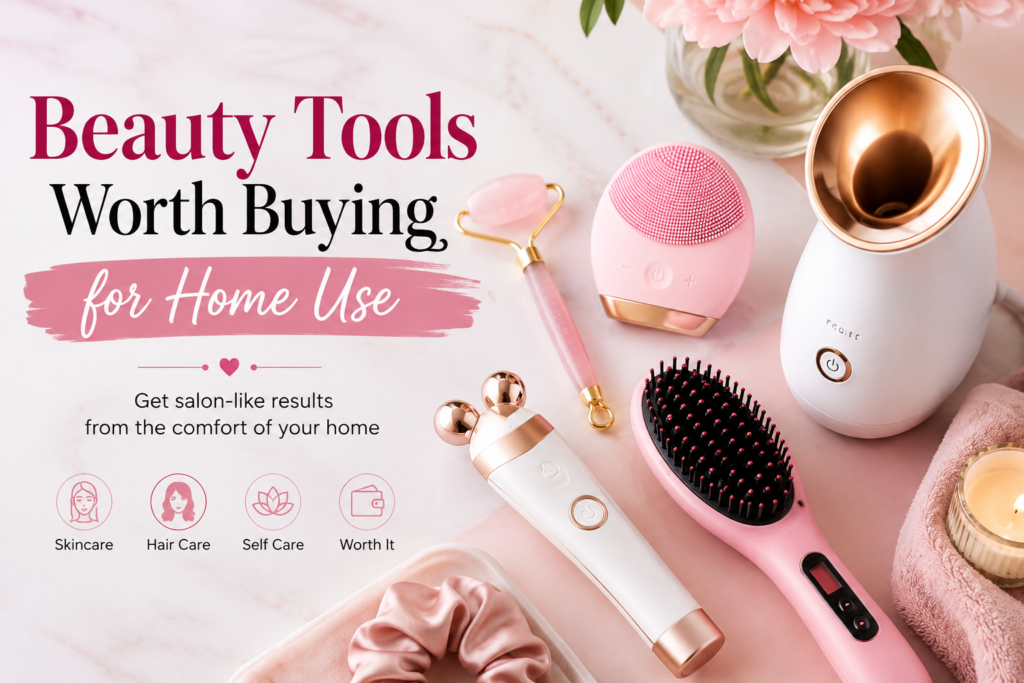
That growth is great news for anyone who wants visible results without booking weekly appointments, but it also makes shopping harder. Not every device on the market is worth your money, and a few categories come with real safety considerations you should know before you buy. This guide breaks down the beauty tools genuinely worth buying for home use right now, what they actually do, what to expect from them, and how to shop smart so you do not waste money on something that ends up back in that drawer.
Why At-Home Beauty Devices Have Become So Popular
A few things are driving this shift. People are busier, professional treatments are not cheap, and consumers are simply more informed than they used to be. Many shoppers now research the technology behind a device before they buy it, the same way they research skincare ingredients.
There is also a strong preventive-aging mindset shaping the category. Instead of waiting for fine lines or sagging to become a concern, more people are reaching for tools that support skin health early and consistently. Industry analysts have pointed to steady double-digit growth in the home beauty device market over the past couple of years, with anti-aging tools, hair removal devices, and multifunctional facial gadgets leading the way. None of this means these tools replace professional dermatology care. Think of them as a way to maintain and support your skin between appointments, not a substitute for medical advice when you have a specific skin concern.
LED Light Therapy Masks: Still One of the Biggest Trends
If you have spent any time on TikTok or Instagram lately, you have probably seen someone glowing under a red light mask while watching television. LED face masks remain one of the most searched and most purchased beauty tools heading into 2026, and search interest in red light face masks has climbed sharply over the past year.
These masks use different wavelengths of light, most commonly red, blue, and near-infrared, to target different concerns:
- Red light is commonly used to support a smoother, more even-looking complexion and may help skin appear firmer over time with consistent use.
- Blue light is often associated with calming the appearance of occasional breakouts when used as part of a regular skincare routine.
- Near-infrared light is generally marketed for deeper-level skin support and is often included in higher-end masks alongside red light.
Research into low-level light therapy has been ongoing for years, and many dermatologists view it as a reasonably well-supported category compared to some other at-home technologies. That said, results vary from person to person, and an at-home mask will not deliver the same intensity as in-office equipment. Consistency matters far more than any single session.
What to Look For in an LED Mask
- Full face and neck coverage versus targeted panels, depending on your goals
- Multiple wavelength options rather than a single color
- Comfortable, flexible material you will actually want to wear for the full session
- FDA clearance information listed by the brand, since LED devices marketed for skin concerns fall under medical device regulation in the United States
Price points for LED masks vary widely, from under one hundred dollars for entry-level options to several hundred dollars for masks that combine LED with cooling or massage features. If you are new to the category, a mid-range option with red and near-infrared settings is usually a sensible place to start.
Microcurrent Devices: The At-Home Facial Workout
Microcurrent facial tools have earned the nickname “at-home facelift in a box,” and while that is a bit of marketing flair, the category has genuinely matured. These handheld devices send very low-level electrical currents through the skin and facial muscles, which is commonly described as a passive workout for your face.
The idea is that gentle, repeated stimulation may help support muscle tone and skin firmness over time, similar to how light resistance training supports muscle elsewhere in the body. Many users report their skin looking more lifted and contoured immediately after a session, with some describing more lasting changes after weeks of regular use. As with most beauty devices, individual results can vary, and microcurrent should be viewed as a supportive tool rather than a guaranteed fix.
Popular Features in 2026 Microcurrent Devices
- App connectivity for guided routines and progress tracking
- Interchangeable heads for full-face treatments versus delicate areas like the lips and eyes
- Combination technology that pairs microcurrent with LED light or sonic vibration in a single device
- Conductive gel requirements, which add a small ongoing cost worth factoring into your budget
One important safety note: if you have had Botox, dermal fillers, or any injectable treatment, it is generally a good idea to wait at least a couple of weeks before using a microcurrent device, and longer if your injector recommends it. Electrical stimulation that early may interfere with how the product settles. People with pacemakers, epilepsy, or who are pregnant are typically advised to avoid microcurrent devices altogether. Always check the manufacturer’s guidance and talk to a healthcare provider if you fall into any of these categories.
At-Home Laser and IPL Hair Removal Devices
Permanent hair reduction used to require multiple expensive trips to a med spa. At-home IPL, or intense pulsed light, devices have changed that equation for a lot of people, and this remains one of the fastest-growing categories in the entire home beauty device market.
IPL devices work by emitting broad-spectrum light that is absorbed by pigment in the hair follicle, which is intended to reduce future hair growth over a course of repeated treatments. Results depend heavily on hair and skin tone contrast, since these devices generally work best on darker hair and lighter skin. Newer models have improved sensor technology to better detect a wider range of skin tones, but anyone with very light or red hair, or very deep skin tones, should research a specific device’s compatibility before buying.
What Makes a Good At-Home IPL Device
- Skin tone sensors that automatically adjust intensity for safety
- Sapphire or ice-cooling tips to reduce discomfort during use
- A reasonable number of total flashes so the device lasts through a full treatment course without needing constant cartridge replacement
- Clear, easy-to-follow treatment schedules from the brand
Most dermatologists recommend patch testing any IPL device on a small area first and following the spacing instructions exactly, since overuse will not speed up results and may irritate skin. These devices are generally not recommended for use on tattoos, moles, or broken skin, and anyone taking certain medications that increase light sensitivity should check with a doctor first.
Multifunctional Facial Devices: Several Treatments in One Tool
This is arguably the biggest shift in the category for 2026. Instead of buying five separate gadgets, brands are now packing multiple technologies into a single device. A current bestseller combines electroporation, microcurrent, EMS muscle stimulation, sonic vibration, and LED light into one tool, essentially functioning like a mini spa treatment in your hand.
Other multifunctional devices focus on hydration and pore care, combining hydro-infusion with gentle suction-based extraction and hot and cold therapy. The appeal is obvious: one device, one charging cable, one learning curve, and a routine that can realistically be done in ten minutes a few times a week.
Why Multifunctional Devices Make Sense for Most People
- Better value compared to buying several single-purpose devices
- Less counter clutter and fewer chargers to keep track of
- App-guided routines that make it easier to stay consistent
- Often designed with sensitive skin settings, making them more beginner friendly
The tradeoff is that an all-in-one device may not perform any single function as powerfully as a dedicated tool built around it. If you have one very specific concern, like stubborn fine lines around the eyes, a targeted device might serve you better than a generalist one.
Radiofrequency Skin Tightening Tools
Radiofrequency, often shortened to RF, has become one of the fastest-growing technologies in the at-home beauty space. RF devices use energy waves to gently warm the deeper layers of the skin, which is commonly associated with supporting the skin’s natural collagen-related processes and a firmer-looking appearance over time.
It is important to draw a clear line here. Standard at-home RF facial devices, the kind that glide along the skin’s surface, are different from RF microneedling, which uses fine needles to deliver radiofrequency energy beneath the skin. The FDA has issued specific safety communications about RF microneedling, noting that it is a medical procedure that should be performed by a licensed provider and is not intended for home use, due to reported complications such as burns and scarring when performed incorrectly. If you see a device marketed for home use that involves needles paired with radiofrequency, treat that as a red flag and stick to non-needle RF tools instead, or consult a licensed professional for that specific treatment.
Choosing a Surface-Level RF Device
- Look for devices specifically marketed and cleared for home, non-invasive use
- Check for adjustable intensity settings so you can build up gradually
- Pair with a conductive gel as instructed, since skipping it can reduce comfort and effectiveness
- Be patient. RF results are typically described as gradual and cumulative rather than immediate
Hair Styling Tools Worth the Investment
Beauty tools are not just about skincare. Hair tech has had a genuinely impressive year, with several brands releasing tools that significantly cut down styling time while reducing heat damage.
Smart Hair Dryers and Air Stylers
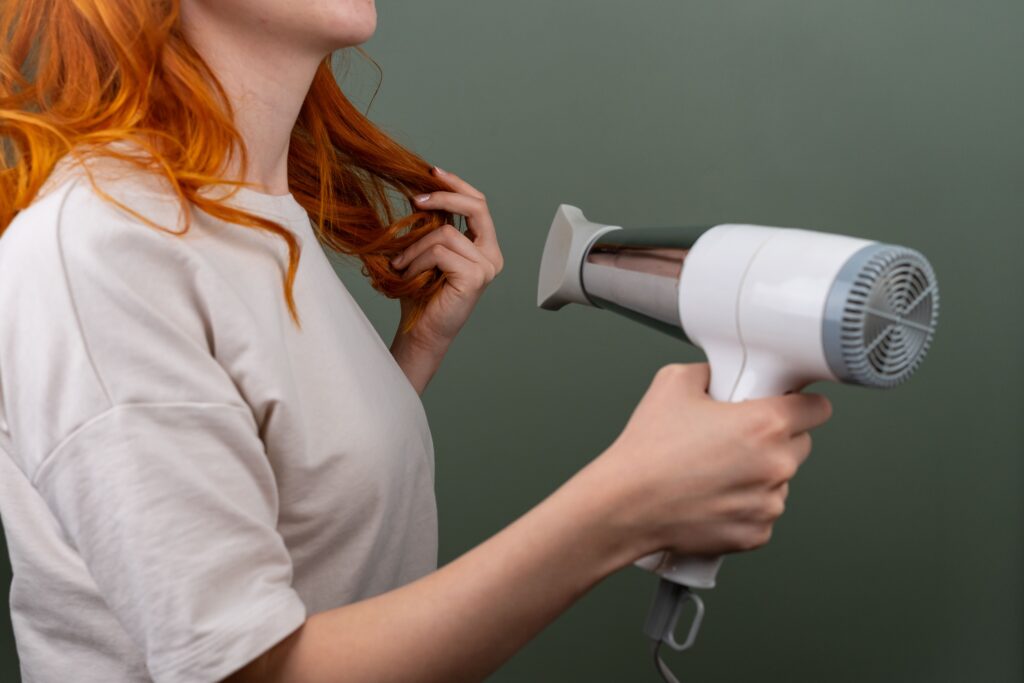
High-speed, smart-sensor hair dryers continue to dominate this category. These tools use built-in sensors to monitor airflow temperature and automatically adjust to help protect hair from excess heat exposure, while still drying significantly faster than a standard dryer. Multi-styling tools that combine a dryer with round brush attachments have also become popular for people who want a blowout look without the blowout appointment.
2-in-1 Curling and Straightening Irons
Instead of owning separate tools for straight, wavy, and curly looks, several brands now offer combination irons with plates that wrap around a barrel, letting you straighten and curl with the same tool. This trend toward consolidation mirrors what is happening in skincare devices, where fewer, smarter tools are replacing drawers full of single-purpose gadgets.
What to Prioritize When Buying Hair Tools
- Ceramic, tourmaline, or ionic plate technology to help reduce frizz and static
- Adjustable heat settings appropriate for your hair type and texture
- Auto shut-off features for safety
- A genuine multi-use case for your routine, rather than buying a feature you will never use
Scalp Care Devices Are Having a Moment
Scalp health has become its own skincare category, and the tools have followed. Scalp massaging devices, often paired with vibration or gentle heat, are commonly used to support relaxation and may help distribute scalp serums and oils more evenly when used during a treatment. Some brands have also introduced LED scalp caps that apply similar light therapy principles used in facial masks to the scalp, generally marketed in connection with supporting a healthy-looking scalp environment.
If hair thinning is a specific concern for you, it is worth speaking with a dermatologist before relying on any device, since underlying causes of hair thinning vary widely and a device alone may not address the root issue.
Manual Tools That Still Deserve a Spot on Your Counter
Not every worthwhile beauty tool needs a battery. Several low-tech tools remain genuinely popular because they are simple, affordable, and easy to build into a routine.
Gua Sha Stones
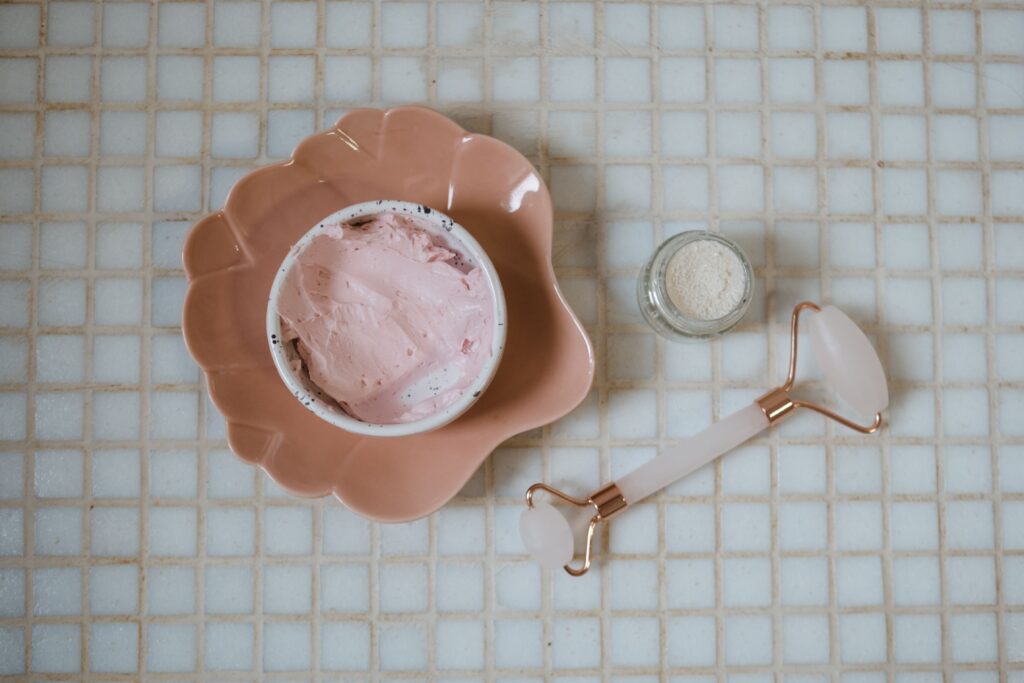
Gua sha tools are flat stones, often made of jade or rose quartz, used to gently scrape and massage the skin. Many people use them as part of a morning routine to support a temporary de-puffed, more sculpted-looking appearance, and the ritual itself can be a nice moment of self-care.
Ice Rollers and Cold Globes
Cold therapy tools are commonly used to help reduce the appearance of morning puffiness and to give skin a refreshed feel before makeup application. They are inexpensive, require no charging, and last for years.
Facial Cleansing Brushes
Sonic cleansing brushes have been around longer than most devices on this list, and they remain genuinely useful for helping remove makeup residue, oil, and surface debris more thoroughly than fingers alone. Many newer models now add gentle heat or LED to the cleansing function.
A Quick Word on At-Home Microneedling
Derma rollers with very short, blunt needles are widely sold for home use and are generally positioned as exfoliation tools rather than medical treatments. According to the FDA, microneedling devices with longer or sharper needles that penetrate deeper layers of skin are regulated as medical devices, and the agency has cleared such devices specifically for professional, in-office use, not for over-the-counter home use. If you are considering microneedling for a specific skin concern like scarring, it is best to consult a board-certified dermatologist rather than relying on an at-home tool to achieve clinical-level results.
AI-Powered Mirrors and Skin Analysis Tools
One of the newer categories gaining traction is AI-driven skin diagnostic tools. Smart mirrors and handheld scanners can analyze surface-level concerns like visible pores, uneven tone, and fine lines within seconds, then suggest a personalized routine based on what they detect. These tools are best thought of as a helpful starting point for understanding your skin rather than a diagnostic medical tool, and they should not replace a dermatologist’s assessment for anything beyond general skincare guidance.
How to Choose the Right Beauty Tool for Your Needs
With so many options, it helps to shop with a clear process rather than impulse-buying whatever is trending that week.
- Start with your top concern. Pick the one or two things you actually want to address, whether that is fine lines, hair removal, or styling efficiency, instead of trying to solve everything at once.
- Match the technology to the concern. LED and microcurrent suit general anti-aging support, IPL suits hair reduction, and RF suits firmness concerns.
- Check for regulatory information. In the United States, devices marketed for specific skin claims are often regulated by the FDA. Reputable brands will mention clearance or registration on their site.
- Read real user reviews, not just brand marketing. Look for patterns across multiple reviews rather than relying on a single glowing testimonial.
- Factor in the full cost of ownership. Replacement heads, conductive gels, or app subscriptions can add up over time.
- Be honest about your consistency. A device only works if you actually use it. A simpler tool you will use three times a week beats an advanced one gathering dust.
Comparison of Popular Home Beauty Device Categories
| Device Category | Typical Price Range | Best For | Things to Keep in Mind |
|---|---|---|---|
| LED Light Therapy Mask | $80 to $500 | General skin tone, texture, and firmness support | Requires consistent, regular use for noticeable results |
| Microcurrent Device | $100 to $400 | Facial contour and muscle tone support | Avoid after recent injectables; needs conductive gel |
| At-Home IPL Hair Removal | $150 to $450 | Long-term hair reduction on compatible skin and hair tones | Works best on darker hair with lighter skin contrast |
| Multifunctional Facial Device | $150 to $500 | Combining several treatments in one routine | May not match dedicated single-function devices in intensity |
| Surface RF Device | $200 to $600 | Gradual skin firmness support | Avoid RF microneedling tools marketed for home use |
| Smart Hair Styling Tools | $100 to $600 | Faster styling with reduced heat damage | Choose heat settings suited to your hair type |
| Gua Sha, Ice Roller, Cleansing Brush | $10 to $80 | Daily ritual, de-puffing, and gentle cleansing | Low risk, but effects are generally temporary |
General Safety Tips Before You Try Any Beauty Device
- Always read the full instruction manual before first use, including treatment frequency limits
- Patch test new devices, especially IPL and RF tools, on a small area first
- Stop use and consult a healthcare provider if you notice unusual redness, irritation, burning, or swelling that does not resolve quickly
- Avoid using electrical facial devices if you are pregnant, have a pacemaker or other implanted medical device, or have epilepsy, unless cleared by your doctor
- Keep devices clean according to manufacturer guidelines to reduce the risk of breakouts or irritation
- Do not exceed recommended usage frequency in hopes of faster results, since more is not always better with electrical or light-based devices
- If you have active skin conditions, are on prescription retinoids, or are using other active treatments, check with a dermatologist before adding a new device to your routine
Are At-Home Beauty Tools Really Worth the Money?
For a lot of people, yes, with reasonable expectations in place. These tools are generally best understood as a way to support and maintain your skin and hair between professional treatments, not a full replacement for them. A quality LED mask or microcurrent device used consistently over months can genuinely become part of a satisfying routine, and the convenience factor alone is worth something for busy schedules.
Where people tend to get disappointed is when they expect overnight, dramatic transformations similar to a clinical laser treatment or in-office facial. At-home devices are built to be safe for unsupervised use, which generally means lower intensity than professional-grade equipment. Manage your expectations around gradual, supportive results, and the investment tends to feel a lot more worthwhile.
Frequently Asked Questions About Home Beauty Tools
What beauty tools are most worth buying for home use in 2026?
LED light therapy masks, microcurrent facial devices, and at-home IPL hair removal tools remain the most popular and widely recommended categories, alongside multifunctional facial devices that combine several technologies in one tool.
Are LED face masks actually effective?
Many users report a smoother, more even-looking complexion with consistent use, and low-level light therapy has a reasonable amount of supporting research compared to some other beauty technologies. Results vary by individual, and at-home masks are generally less intense than professional equipment.
Is microcurrent safe to use every day?
Most brands recommend a few sessions per week rather than daily use, though specific guidance varies by device. Always follow the manufacturer’s instructions, and avoid microcurrent shortly after Botox or filler treatments unless your injector says otherwise.
Do at-home laser hair removal devices really work permanently?
At-home IPL devices are commonly used for long-term hair reduction rather than guaranteed permanent removal. Results depend on factors like hair color, skin tone, and how consistently the treatment schedule is followed.
Is it safe to do microneedling at home?
Short, blunt-needle derma rollers sold for home use are generally positioned as gentle exfoliation tools. Deeper or radiofrequency microneedling is classified as a medical procedure and is not recommended for home use according to FDA guidance, so it is best left to a licensed professional.
How much should I expect to spend on a good beauty device?
Prices vary widely by category. Manual tools like gua sha stones or ice rollers can cost under thirty dollars, while advanced multifunctional or laser-based devices often range from two hundred to five hundred dollars or more.
Can beauty devices replace dermatologist visits?
No. At-home devices are generally designed to support and maintain skin health between professional visits, not to replace medical evaluation or treatment for specific skin concerns. If you have a persistent issue, a dermatologist visit is still the right first step.
What should I check before buying a skincare device online?
Look for clear information about the technology used, any relevant regulatory clearance, realistic before-and-after expectations, return policies, and genuine customer reviews rather than only brand-provided testimonials.
Final Thoughts
The at-home beauty device space has come a long way from novelty gadgets, and 2026 is shaping up to be one of its strongest years yet. Whether you are drawn to the glow of an LED mask, the toning effect of microcurrent, the convenience of an at-home hair removal device, or simply a reliable hair dryer that saves you time every morning, there is a genuinely useful tool out there for almost every routine and budget.
The key is choosing based on your actual concerns rather than chasing every trending product, checking the safety information before you buy, and committing to consistent use once you do. Beauty tools work best as a long-term habit, not a one-time purchase you forget about after a week.
Disclaimer:
This article is for informational purposes only and is not medical advice. Results from beauty tools may vary. Always follow manufacturer instructions and consult a professional for specific skin concerns.
Comments (0)