
Beginner’s Guide to Healthy Weight Loss
Published: May 2026 | Reading Time: 15 minutes
 Let’s be honest. If you’ve ever typed “how to lose weight” into Google, you’ve probably been hit with thousands of results promising miracle diets, magic supplements, and six-pack abs in 30 days. It’s overwhelming, contradictory, and honestly, a little exhausting. One article tells you to cut carbs completely, and the next one says carbs are fine as long as you eat them before noon. No wonder so many people give up before they even get started.
Here’s the truth: healthy weight loss is not complicated, but it does require patience, consistency, and a willingness to ditch the quick-fix mentality. If you’re a beginner just trying to figure out where to start, this guide is written for you. No jargon, no gimmicks, just practical, real-world advice that actually works.
By the time you finish reading, you’ll have a clear picture of how weight loss really works, what to eat, how to move your body, why sleep and stress matter more than you think, and how to build habits that stick for life.
1. How Weight Loss Actually Works
Before anything else, it helps to understand the basic biology. Your body needs energy to function, and it gets that energy from the food you eat. This energy is measured in calories. When you consistently consume fewer calories than your body burns, it starts using stored fat for energy, and that is what leads to weight loss.
This is called a caloric deficit, and it is the foundation of every successful weight loss approach, no matter what name it goes by. Whether someone is doing keto, intermittent fasting, or just eating smaller portions, they are creating a caloric deficit in some way.
Now, before you start panicking about counting every single calorie, here is the reassuring part: you do not have to track every bite to lose weight. A lot of people lose weight simply by making better food choices and being more active. Tracking can be a helpful tool, but it’s not a mandatory step, especially when you’re just starting out.
What you do need to understand is that weight loss is not linear. Your body weight fluctuates daily based on water retention, digestion, hormones, and dozens of other factors. Stepping on the scale every morning and expecting it to go down in a straight line will drive you crazy. Give yourself permission to zoom out and look at trends over weeks rather than days.

2. Setting Realistic Goals
One of the biggest reasons people fail at weight loss is that they set goals that are simply not realistic given their starting point or their lifestyle. “I want to lose 30 pounds in two months” sounds motivating on January 1st, but it sets you up for frustration when the reality doesn’t match the expectation.
A healthy, sustainable rate of weight loss is generally around 0.5 to 1 kilogram per week (roughly 1 to 2 pounds). Any faster than that, and you risk losing muscle mass along with fat, which is not what you want. Losing muscle slows down your metabolism over time, making it harder to keep the weight off.
Instead of focusing entirely on a number on the scale, try setting behavior-based goals alongside weight goals. These might look like cooking at home five nights a week, going for a 30-minute walk every day, or eating a vegetable with every meal. Behavior goals are things entirely within your control, and reaching them builds confidence that carries you forward even when the scale isn’t budging.
Write down why you want to lose weight. Not just “to look better,” but the real reason underneath that. Maybe you want more energy to play with your kids. Maybe a health scare pushed you to take action. Maybe you just want to feel more comfortable in your own skin. Connecting to your deeper motivation is what keeps you going on the days when you don’t feel like it.
3. Nutrition Basics: What to Eat and What to Ease Off
Food is the biggest lever in any weight loss journey. The good news is that eating for weight loss does not mean eating boring, bland, or miserable food. It means shifting the balance of what’s already on your plate.
Foods to Build Your Diet Around
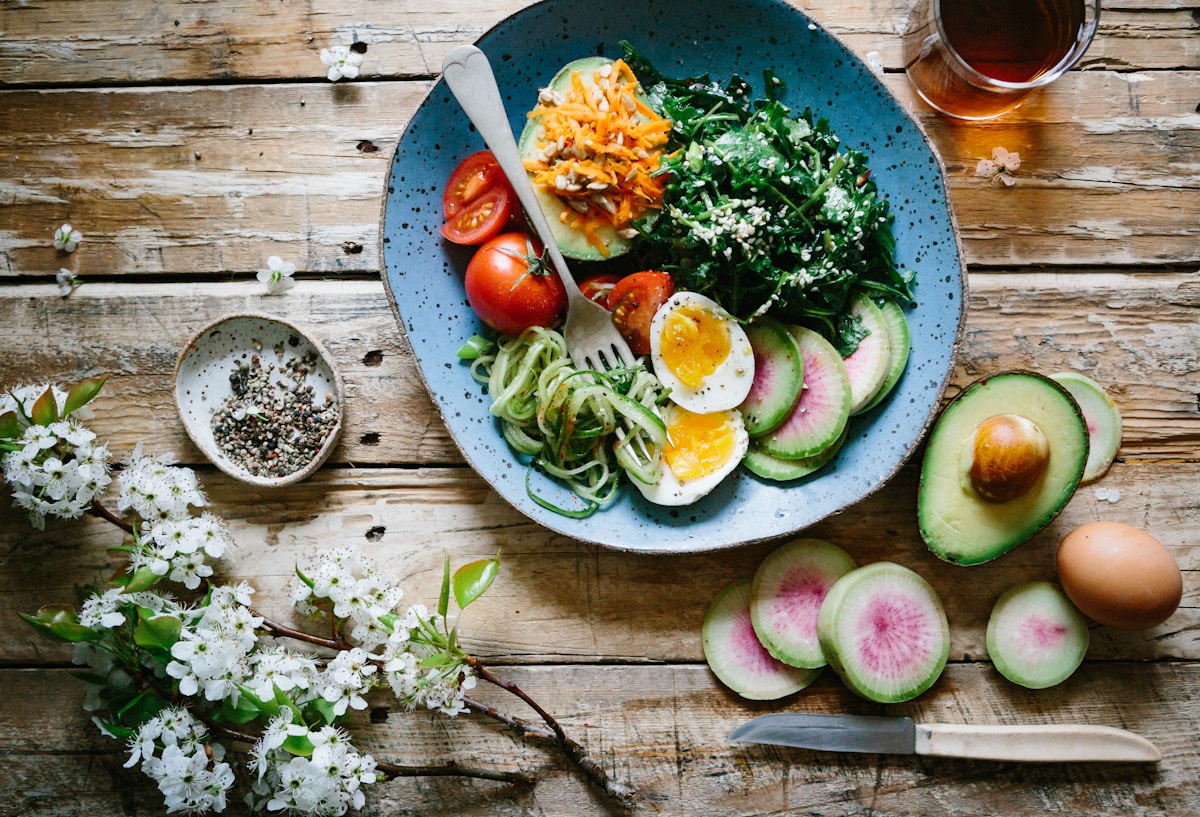
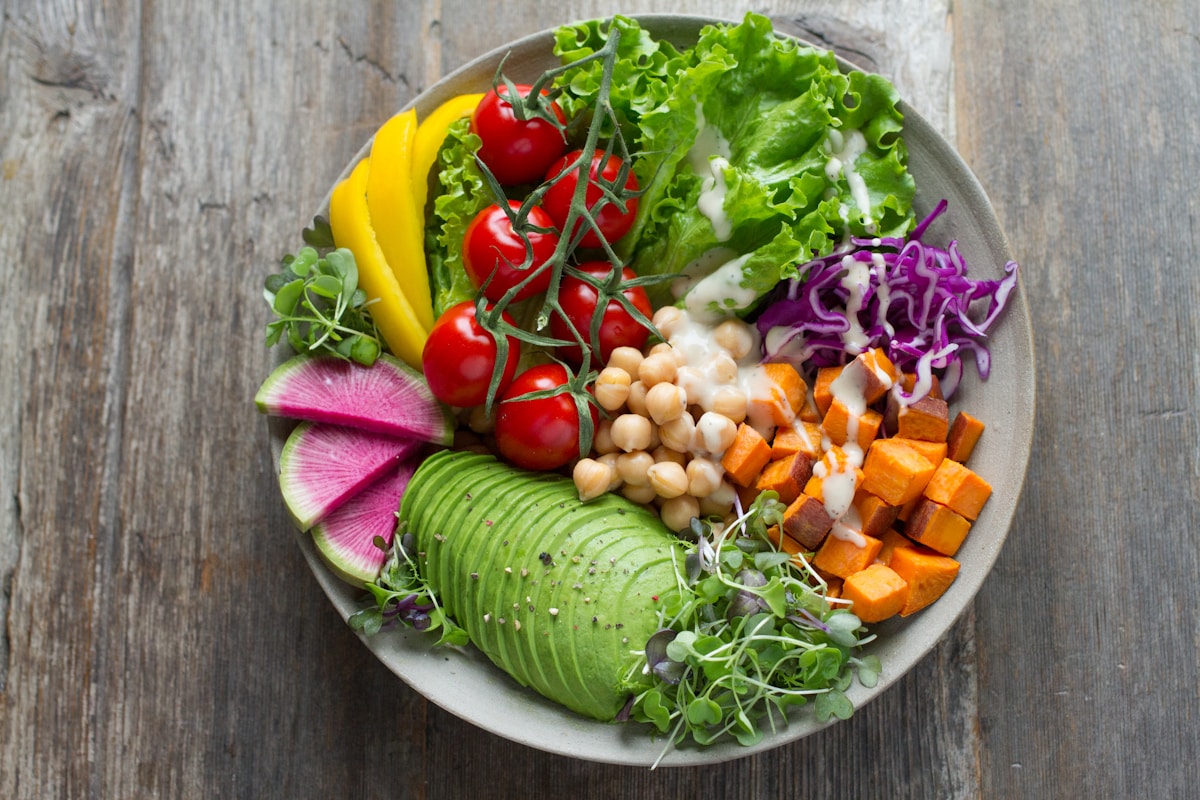
Vegetables and fruits should be the foundation. They are high in nutrients and fiber, which helps you feel full, but relatively low in calories. Aim to fill at least half your plate with vegetables at every meal. Not only does this help manage calorie intake, but it also fuels your body with vitamins and minerals it needs to function well.
Protein is your best friend when it comes to weight loss. It keeps you fuller for longer, helps preserve muscle mass, and actually burns more calories during digestion than carbs or fat. Good sources include chicken, turkey, eggs, fish, Greek yogurt, cottage cheese, lentils, and beans. Try to include a source of protein in every meal.
Whole grains like brown rice, oats, quinoa, and whole wheat bread are far better choices than their refined counterparts. They digest more slowly, keeping your blood sugar stable and your energy levels steady, which means fewer cravings and energy crashes throughout the day.
Healthy fats are not the enemy. Avocados, olive oil, nuts, and seeds provide essential nutrients and help your body absorb fat-soluble vitamins. They are calorie-dense, so portion awareness matters, but cutting fat out entirely is not necessary and is actually counterproductive.
Foods to Ease Back On
Ultra-processed foods like chips, cookies, fast food, sugary drinks, and packaged snacks are the main culprits in most people’s diets. They are engineered to be hyperpalatable, meaning your brain lights up when you eat them, making it very easy to overeat. They’re also low in nutrients despite being high in calories, so they don’t do much to keep you satisfied.
Sugary drinks deserve special mention because liquid calories are sneaky. A can of soda, a flavored coffee drink, or a glass of juice can contain several hundred calories without making you feel any fuller. Switching to water, unsweetened tea, or black coffee is one of the simplest changes that makes a noticeable difference.
Alcohol is another area worth looking at honestly. Alcoholic drinks are calorie-dense and lower your inhibitions around food, which is a double hit when you’re trying to manage what you eat.
The goal here isn’t perfection. Nobody eats perfectly, and trying to will only lead to misery and eventual rebellion. The idea is to build a diet that is mostly made up of nutritious, satisfying foods while allowing room for enjoyment. The 80/20 approach works well for many people: 80% whole, nutritious foods and 20% flexibility.
4. Portion Control Without Obsessing
Even healthy foods can contribute to weight gain if you’re eating far more than your body needs. Portion sizes in restaurants and packaged foods have grown dramatically over the past few decades, and most of us have lost touch with what a reasonable serving actually looks like.
You don’t need to weigh every gram of food to manage portions effectively. A simpler approach is to use your hand as a rough guide. A serving of protein is roughly the size of your palm. A serving of starchy carbs like rice or pasta is about the size of your cupped hand. A serving of fat like nuts or olive oil is about your thumb.
Another useful habit is eating slowly and without distractions. It takes about 20 minutes for your stomach to signal to your brain that you’re full. If you’re eating in front of a screen and rushing through your meal, you’ll often eat well past the point of satisfaction before your body has a chance to register it. Putting your fork down between bites, chewing thoroughly, and actually tasting your food are surprisingly effective strategies.
Eating from smaller plates is another easy trick that genuinely works. Research has shown that people eat less when food is served on a smaller plate because the brain perceives the portion as larger.
5. Moving Your Body: Exercise That Works for Beginners
Here’s something that surprises a lot of people: exercise is less important for weight loss than most people think, especially at the beginning. Diet accounts for the vast majority of your caloric deficit. But exercise matters enormously for your overall health, for preserving muscle mass, for your mental wellbeing, and for keeping the weight off long-term.
The best exercise is one you will actually do consistently. It sounds obvious, but so many beginners start with an intense five-day gym program when they have never exercised regularly in their lives, burn out within two weeks, and then feel like failures. Start where you are, not where you think you should be.
Walking: The Underrated Starting Point
If you’re completely new to exercise, walking is one of the best things you can do. It’s low impact, accessible, free, and incredibly effective over time. A 30-minute brisk walk burns roughly 150 to 200 calories, depending on your weight and pace. Do that daily and you’re looking at a meaningful caloric expenditure over the course of a month.
Beyond calories, walking improves cardiovascular health, reduces stress, boosts mood, and is easy on your joints. Aim for at least 30 minutes a day, and try to build up your daily step count to around 8,000 to 10,000 steps over time.
Strength Training: The Game Changer
Once you’ve established a base level of activity, adding some strength training will accelerate your results significantly. Building muscle increases your resting metabolic rate, which means you burn more calories even when you’re doing nothing. This is one of the main reasons why the number on the scale isn’t the only thing worth tracking.
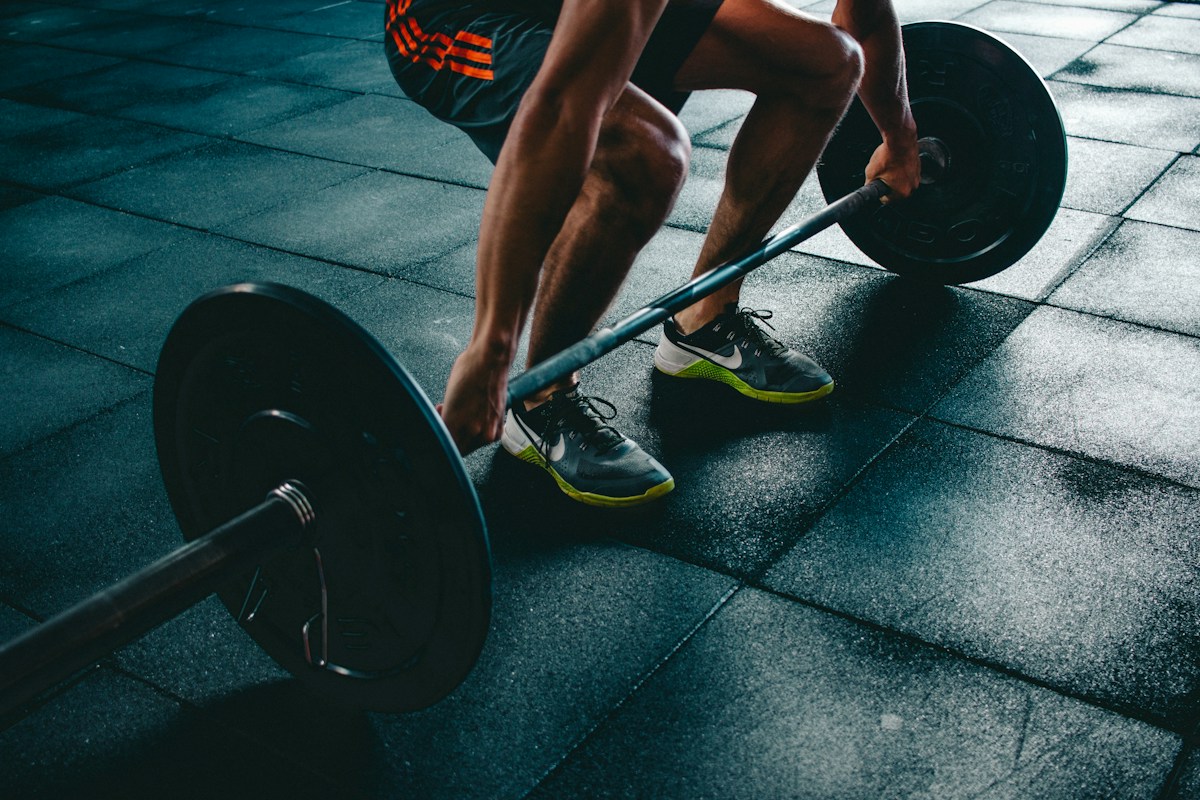
You don’t need a gym or fancy equipment to start. Bodyweight exercises like squats, lunges, push-ups, and glute bridges are highly effective. Three sessions per week of 30 to 45 minutes each is plenty when you’re starting out.
Cardio
Traditional cardio like cycling, swimming, jogging, or aerobics classes is great for heart health and burning additional calories. If you enjoy it, go for it. But don’t feel like you have to slog through hours of cardio you hate just because you’ve been told it’s necessary. Enjoyable movement you do consistently beats perfect exercise you do sporadically every time.
6. The Role of Sleep and Stress
This section gets skipped a lot in weight loss guides, and that’s a shame because sleep and stress have a profound effect on your ability to lose weight.
Why Sleep Matters
When you don’t sleep enough, your body produces more of a hormone called ghrelin, which stimulates appetite, and less of a hormone called leptin, which signals fullness. In simple terms, poor sleep makes you hungrier than you should be and makes it harder to feel satisfied after eating.
On top of that, sleep deprivation increases cravings for high-calorie, high-sugar foods. If you’ve ever noticed that you reach for junk food after a bad night’s sleep, now you know why. Your body is desperately looking for a quick energy source.
Most adults need 7 to 9 hours of sleep per night. Prioritizing sleep is not laziness. It’s a legitimate weight loss strategy. Work on building a consistent sleep schedule, reduce screen time in the hour before bed, and create a sleep environment that’s cool and dark.
Stress and Cortisol
Chronic stress is another hidden obstacle. When you’re stressed, your body releases cortisol, a hormone designed for short-term survival situations. Elevated cortisol over a long period promotes fat storage, particularly around the abdomen. It also drives cravings for comfort foods and makes it harder to stick to healthy habits.
You can’t eliminate stress from your life, but you can build practices that help you manage it. Regular exercise helps. So do meditation, deep breathing, time in nature, and making space for things you genuinely enjoy. Even just a 10-minute walk outside can meaningfully reduce cortisol levels.
7. Hydration: The Simple Habit Most People Ignore
Drinking enough water might be the easiest and most overlooked weight loss tool available. Here’s why it matters.
First, thirst is often mistaken for hunger. Many people eat when what their body actually needs is water. Before reaching for a snack, drink a glass of water and wait a few minutes to see if the craving passes.
Second, drinking water before meals has been shown to reduce the amount of food eaten during that meal. One study found that people who drank two glasses of water before each meal lost significantly more weight than those who didn’t.
Third, staying hydrated keeps your energy levels up and supports the metabolic processes involved in fat burning. Even mild dehydration can leave you feeling sluggish and less motivated to move.
A general guideline is to aim for around 2 to 3 liters of water per day, though this varies depending on your size, activity level, and climate. A practical approach is to carry a water bottle with you and sip throughout the day rather than trying to gulp large amounts at once. Your urine color is a handy indicator: pale yellow means you’re well hydrated; dark yellow means you need more water.
8. Common Beginner Mistakes and How to Avoid Them
Trying to Change Everything at Once
This is probably the most common mistake. Someone decides to overhaul their entire diet, start exercising every day, quit alcohol, and go to bed earlier all in the same week. Willpower is a limited resource, and trying to change too many habits at once almost always leads to burnout. Pick one or two changes, do them consistently for two to three weeks, and then add more. Small, steady progress beats a dramatic reset every time.
Eating Too Little
Severely cutting calories might seem like a faster route to results, but it backfires. When you drastically restrict calories, your body goes into a kind of protective mode. It slows down your metabolism to conserve energy, you lose muscle along with fat, your energy crashes, and your hunger hormones go into overdrive. This is the recipe for the classic yo-yo dieting cycle.
A modest deficit of 300 to 500 calories below your maintenance level is sustainable and effective. Any more than that and you start working against yourself.
Relying on Exercise to Undo a Poor Diet
Exercise is crucial for health, but it’s very hard to out-exercise a bad diet. A 45-minute run might burn around 400 calories. A large fast food meal can contain 1,200 calories or more. You simply can’t run your way out of consistently eating too much. Diet has to be addressed first.
Weighing Yourself Every Day and Panicking
Weight fluctuates by 1 to 3 kilograms in a single day based on factors completely unrelated to fat gain or loss. Eating a salty meal, hormonal changes, and retained water from a new workout routine can all push the number up temporarily. Weighing yourself once a week, at the same time and under the same conditions, gives you a far more accurate picture of your progress.
Falling for “Diet” Products
Low-fat, sugar-free, and “diet” labeled products are often not as helpful as they sound. When fat is removed from a product, manufacturers usually add sugar to compensate for the lost flavor. When sugar is removed, artificial sweeteners often take its place. Many of these products end up being more processed than their regular counterparts. Whole, minimally processed foods are almost always a better choice.
9. Building Habits That Last
Sustainable weight loss isn’t about willpower. It’s about building an environment and a set of habits that make healthy choices the easy default. Willpower runs out; systems don’t.
Meal prepping even partially, just by having washed vegetables, cooked grains, or marinated protein ready in the fridge, massively reduces the chance that you’ll reach for something unhealthy when you’re tired and hungry after a long day. When the healthy choice is the easy choice, you make it far more often.
Habit stacking is another powerful technique. It means linking a new habit to an existing one. For example, “After I pour my morning coffee, I will drink a glass of water first.” Or, “When I sit down to watch television in the evening, I will do 10 minutes of stretching.” By anchoring new behaviors to existing routines, you dramatically increase the chance they’ll stick.
Don’t underestimate the power of your environment. Keep fruit on the counter instead of chips. Keep workout clothes out the night before. Remove the tempting snacks from eye-level shelves and replace them with healthier options. You are constantly influenced by your surroundings, and redesigning that environment in your favor is one of the most effective things you can do.
10. What to Do When the Scale Stops Moving
Every single person who has lost a significant amount of weight has hit a plateau. It’s a biological reality, not a personal failure, and understanding why it happens takes away a lot of its power over you.
As you lose weight, your body becomes smaller and requires fewer calories to function. The same caloric deficit that was working three months ago may no longer be creating a deficit now that you weigh less. Your maintenance calorie intake has decreased along with your body size.
When you hit a plateau, the first thing to do is not panic and slash your calories dramatically. Instead, audit what you’re actually doing. Are you still being consistent with your eating habits? Have portion sizes crept up? Are you moving as much as you were at the start? Often, a plateau is a sign that some habits have loosened up gradually without you noticing.
If everything looks good and you’re genuinely stuck, you can try modestly reducing your calorie intake by 100 to 200 calories, increasing your physical activity, or varying the type of exercise you’re doing to challenge your body differently. Adding strength training if you haven’t been doing it is often particularly effective.
Also, take a moment to celebrate how far you’ve come. Plateaus often happen after meaningful progress. Your body is adjusting to a new normal, and that’s actually a sign that you’ve done something real.
11. The Mindset Shift That Changes Everything

Everything we’ve talked about so far is the how. But perhaps the most important factor of all is the why, and the way you talk to yourself about all of it.
So many people approach weight loss from a place of self-loathing. They hate their body and want to punish it into a different shape. This mindset might get you started, but it doesn’t sustain you. It leads to extreme restriction, guilt after every imperfect meal, and an adversarial relationship with food and your own body that makes the whole process miserable.
A more powerful shift is to approach weight loss as an act of care for yourself. You’re feeding your body better because you deserve to feel good. You’re moving because it gives you energy and makes you stronger. You’re sleeping more because you value how rested you feel. When healthy choices feel like gifts to yourself rather than punishments, they are much easier to maintain.
Give yourself permission to be a work in progress. You will have days where you overeat, skip your workout, or choose the fries. Everyone does. The difference between people who succeed long-term and those who don’t isn’t that successful people never slip up. It’s that they don’t let a slip become a surrender. They get back on track the next meal, not the next Monday.
Progress photos, fitness milestones, better sleep, more energy, improved blood work, fitting into clothes you love, these are all meaningful measures of success that have nothing to do with a number on a scale. Broaden your definition of progress and you’ll find it much easier to stay motivated.
Final Thoughts
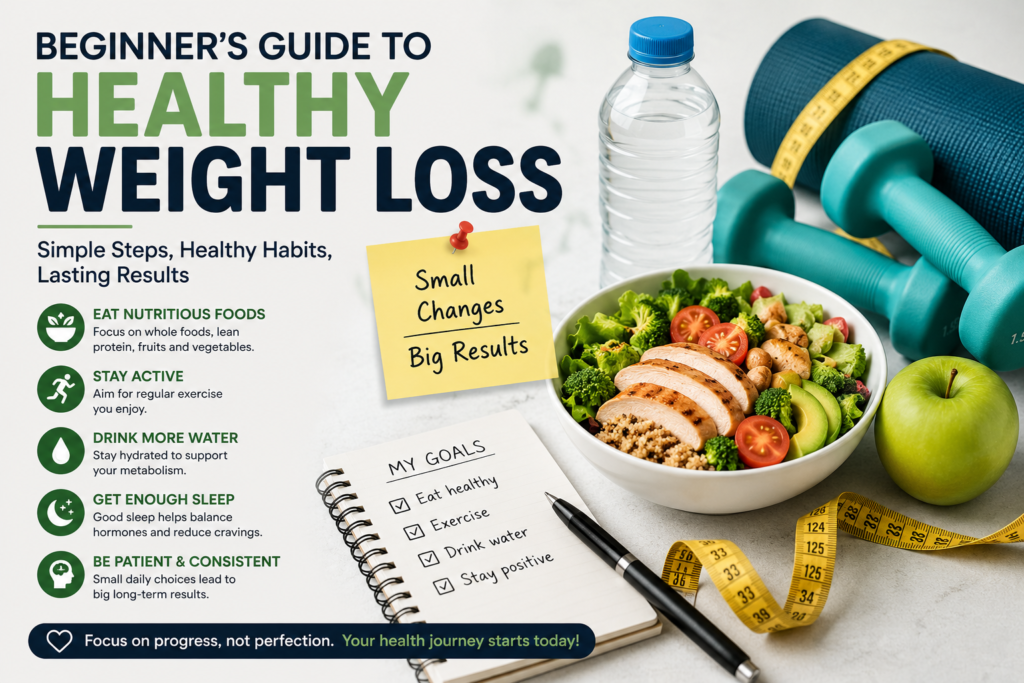
Losing weight in a healthy, sustainable way comes down to a handful of things done consistently: eating mostly whole, nutritious foods without dramatically restricting yourself, moving your body regularly in ways you enjoy, sleeping enough, managing your stress, staying hydrated, and developing habits that make the healthy choice the easy one.
None of this is revolutionary. You’ve probably heard most of it before. But knowing and doing are two very different things, and the gap between them is bridged by starting small, being patient with yourself, and accepting that this is a long game, not a sprint.
You don’t need to be perfect. You just need to be consistent more often than not. Over time, those consistent choices add up to a body that’s healthier, stronger, and more energized, and a relationship with food and movement that feels sustainable rather than exhausting.
Start today. Not with a complete transformation, but with one small step. Drink an extra glass of water. Go for a 20-minute walk. Swap the afternoon chips for a handful of almonds. Those small steps, taken one day at a time, lead somewhere real.
Disclaimer: This article is for informational purposes only and is not a substitute for personalized medical advice. If you have any underlying health conditions or are significantly overweight, please consult with a doctor or registered dietitian before starting a new diet or exercise program.
Comments (0)